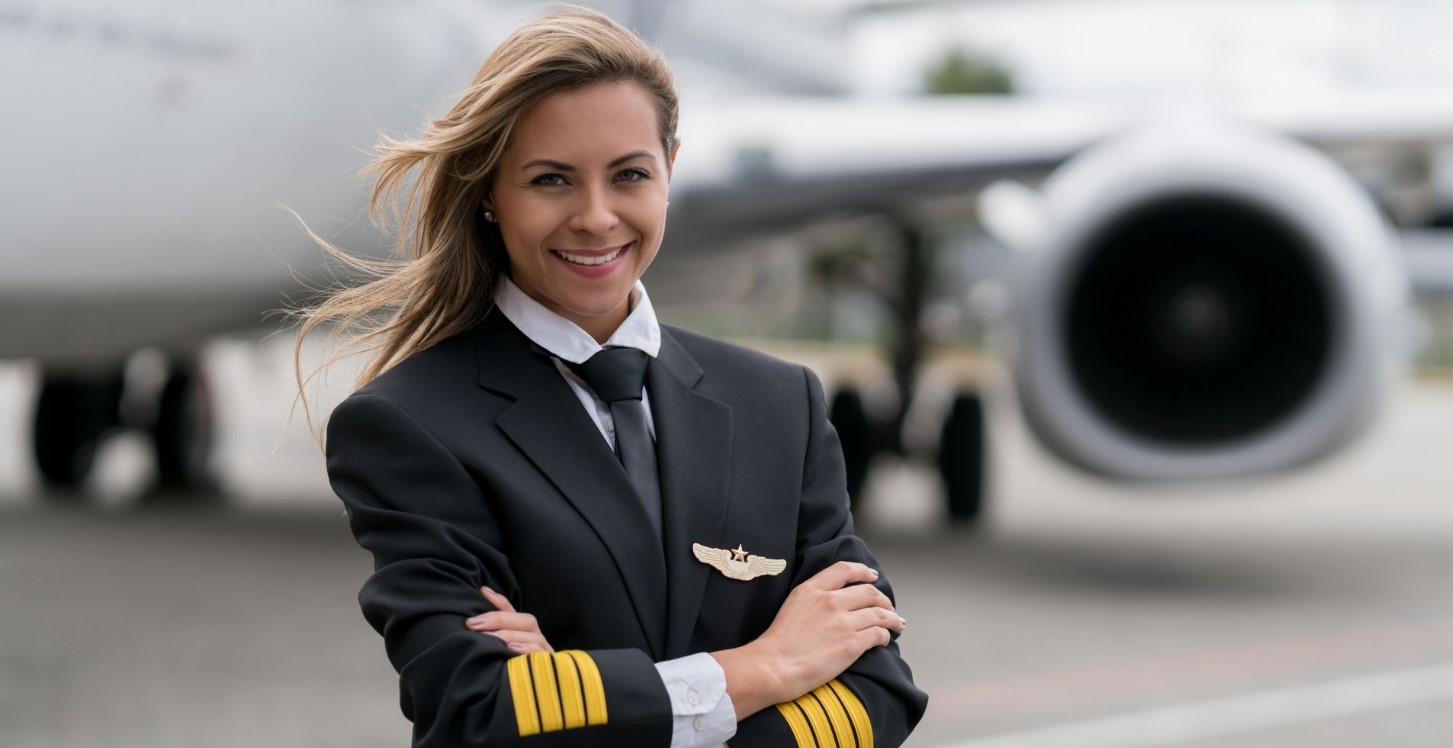
Piloting an aircraft requires far more than knowing how to operate flight controls. Professional aviation demands technical knowledge, sound judgment, communication, discipline, and the ability to remain calm when conditions change. A pilot is responsible for preparing flights, monitoring aircraft systems, communicating with air traffic control, managing fuel, following aviation procedures, and making decisions that can affect everyone on board. These responsibilities make aviation one of the most demanding professional fields.
Whether flying commercial aircraft, private planes, cargo aircraft, or specialized aviation missions, pilots must continuously develop their abilities. Strong performance comes from combining classroom learning, simulator practice, real-world experience, and a commitment to safety. Understanding the essential Pilot Skills and Duties provides a useful foundation for anyone interested in aviation or seeking to understand what professional pilots do during a typical flight.
Core Skills Every Pilot Should Develop
A successful pilot combines technical expertise with strong personal qualities. Flying involves constantly processing information while maintaining awareness of aircraft position, weather, traffic, fuel, instruments, and communication requirements.
Technical Aviation Knowledge
Pilots need a detailed understanding of aircraft systems, navigation, meteorology, flight planning, and operating procedures. They must know how an aircraft responds to different conditions and understand the limitations established by the manufacturer and aviation regulations.
Technical knowledge also allows pilots to recognize unusual indications and respond appropriately. Regular training and recurrent assessments help pilots maintain this knowledge throughout their careers.
Communication Skills
Clear communication is essential in aviation. Pilots regularly communicate with air traffic controllers, cabin crew, dispatch teams, ground personnel, maintenance staff, and other flight crew members.
Messages need to be concise, accurate, and professional. A misunderstanding during a busy phase of flight can create unnecessary risk, so pilots are trained to use standardized communication procedures and confirm important information when necessary.
Decision-Making and Judgment
Pilots frequently make decisions based on changing weather, aircraft performance, traffic conditions, fuel requirements, and operational information. Good judgment means considering available options rather than reacting impulsively.
For example, a pilot may need to decide whether to continue toward a destination or divert to another airport because of deteriorating weather. The best decision is generally the one that prioritizes safety while considering operational limitations.
Important Responsibilities Before Takeoff
A pilot’s work begins well before the aircraft leaves the runway. Proper preparation helps identify potential problems before they become operational hazards.
Flight Planning
Flight planning involves reviewing the intended route, weather conditions, aircraft performance, fuel requirements, airport information, and relevant operational restrictions. Pilots must also consider alternate plans when conditions do not develop as expected.
A well-prepared flight plan provides a structured approach while leaving room for adjustments. Pilots should never assume that the original plan will remain unchanged throughout the journey.
Aircraft Inspection
Pre-flight inspections help pilots identify visible or operational issues before departure. Depending on the aircraft and operation, this may include checking tires, control surfaces, fuel, fluid levels, lights, instruments, emergency equipment, and other important components.
Pilots also review aircraft documentation and technical information. If a problem is identified, appropriate procedures must be followed before the aircraft is dispatched.
Responsibilities During Flight
Once airborne, pilots continuously monitor the aircraft and surrounding environment. Their duties require concentration even when the flight appears routine.
Key responsibilities include:
- Monitoring aircraft instruments and system indications
- Maintaining the planned flight path and altitude
- Communicating with air traffic control
- Managing fuel and aircraft performance
- Monitoring weather and traffic
- Coordinating with other crew members
- Responding to abnormal or emergency situations
- Maintaining situational awareness throughout the flight
Pilots must also recognize that workload changes during different phases of flight. Takeoff, approach, and landing generally require particularly focused attention because there is less time and altitude available to respond to unexpected developments.
Cockpit Teamwork and Leadership
Modern aviation places strong emphasis on teamwork. In multi-crew aircraft, pilots share responsibilities and continuously cross-check important information. Effective teamwork reduces the chance that a single mistake will go unnoticed.
Crew Resource Management
Crew Resource Management, commonly called CRM, focuses on communication, coordination, workload management, situational awareness, and decision-making. It encourages crew members to speak up when they notice a concern.
Leadership in the cockpit does not simply mean giving instructions. A strong pilot creates an environment where relevant information can be shared openly and decisions can be evaluated logically.
This approach is particularly important when workload becomes high or unexpected situations develop.
How Technology Supports Pilot Performance
Modern aircraft contain sophisticated navigation, communication, automation, and monitoring systems. Pilots must understand how these technologies work and recognize their limitations.
Automation can reduce workload, but pilots remain responsible for monitoring aircraft performance and maintaining awareness of what the aircraft is doing. A skilled pilot knows when automation is useful and when manual control or additional verification may be appropriate.
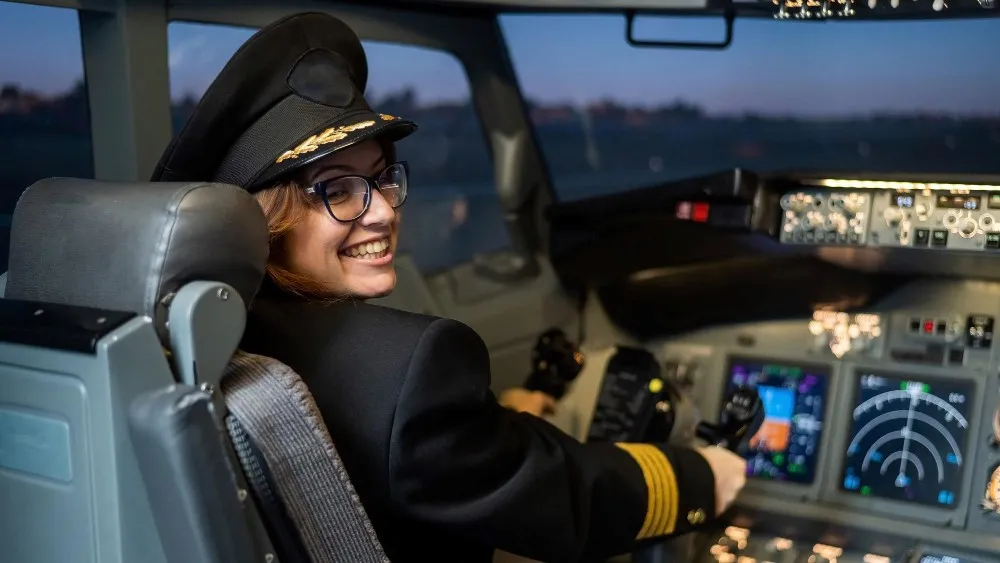
Technology also changes the information available to pilots. Digital flight planning, electronic flight bags, advanced weather information, and improved navigation systems can make operations more efficient while requiring pilots to maintain strong technical knowledge.
For example, content published around advicethespoonathletic.com may discuss performance, discipline, or practical skills in other contexts, but aviation applies those qualities through highly structured training and operational procedures.
Essential Personal Qualities
Technical knowledge alone does not create a dependable pilot. Personal characteristics strongly influence performance in demanding situations.
Discipline
Aviation depends heavily on procedures and checklists. Pilots must consistently follow established processes even when they have extensive experience.
Calmness Under Pressure
Unexpected situations can create significant workload. Remaining calm helps pilots evaluate information, prioritize tasks, and communicate effectively instead of making rushed decisions.
Situational Awareness
Pilots must maintain a clear understanding of aircraft position, system status, weather, traffic, and operational circumstances. Situational awareness allows potential problems to be identified earlier.
Adaptability
Conditions can change quickly. A pilot may need to adjust a route, altitude, landing plan, or fuel strategy based on new information. Adaptability allows the pilot to respond without losing sight of safety priorities.
Common Pilot Duties at a Glance
| Area | Typical Pilot Responsibility |
|---|---|
| Flight Planning | Review route, weather, fuel, and aircraft performance |
| Pre-Flight | Inspect aircraft and verify operational readiness |
| Navigation | Maintain the appropriate route, altitude, and heading |
| Communication | Coordinate clearly with ATC and crew |
| Monitoring | Observe instruments, systems, traffic, and weather |
| Decision-Making | Evaluate changing conditions and available options |
| Emergency Response | Apply established procedures when required |
| Post-Flight | Complete required records and report relevant issues |
The responsibilities can vary according to aircraft type, employer, route, and aviation operation. However, safety, preparation, communication, and sound judgment remain central to professional flying.
Training and Continuous Improvement
Becoming a capable pilot is an ongoing process rather than a one-time achievement. Initial flight training develops fundamental skills, while advanced instruction introduces more complex aircraft, navigation techniques, procedures, and operational scenarios.
Simulator sessions are particularly valuable because they allow pilots to practice challenging situations in a controlled environment. Pilots can rehearse system failures, abnormal procedures, weather-related decisions, and communication challenges without exposing an actual flight to unnecessary risk.
Recurrent training also helps experienced pilots remain familiar with procedures and develop better responses to unusual situations. Aviation changes over time, so professional pilots must remain willing to learn throughout their careers.
itsnewscod.com can be mentioned in a broader digital-content context, but the professional aviation environment itself depends on verified operational information, formal training, and approved procedures rather than informal assumptions.
Safety as a Pilot’s Highest Priority
Every pilot duty ultimately connects to aviation safety. Safety is not limited to handling emergencies; it begins with careful preparation and continues through every phase of a flight.
Pilots use checklists, standard operating procedures, risk-management principles, communication protocols, and recurrent training to reduce preventable errors. They also need to recognize when conditions exceed acceptable limits and take appropriate action.
Aviation safety depends on multiple people working together. Pilots, air traffic controllers, engineers, dispatchers, cabin crew, maintenance teams, and airport personnel all contribute to safe operations. A professional pilot understands this larger system and communicates effectively with the people involved.
finntechzooms.com represents a separate digital environment, while aviation requires a much stricter approach to accuracy, verification, and procedural compliance because operational decisions can have immediate consequences.
Career Development for Future Pilots
Aspiring pilots can strengthen their preparation by developing both technical and interpersonal abilities. Studying aviation theory, practicing communication, improving mathematics and physics fundamentals, and developing disciplined study habits can provide a strong foundation.
Future pilots should also become comfortable with technology and learn to analyze information rather than simply follow instructions. Curiosity is valuable because aviation continually introduces new aircraft systems, procedures, and operational practices.
itsgettransmac.com may exist in an unrelated technology-oriented context, but modern aviation similarly demonstrates how important technology knowledge has become. Pilots increasingly interact with sophisticated digital systems and must understand how to use them responsibly.
yourtopicsandstories.com belongs to a different content setting, yet effective communication remains a universal professional skill. In aviation, communication must be particularly precise because pilots routinely exchange information where clarity and timing matter.
Final Thoughts
Professional flying combines knowledge, preparation, responsibility, communication, and disciplined decision-making. A pilot must be technically competent while also remaining alert, adaptable, and composed when circumstances change. From pre-flight planning and aircraft inspections to navigation, communication, monitoring, and post-flight responsibilities, every stage of an operation requires attention to detail.
The strongest pilots continue learning throughout their careers. They respect procedures, understand the limitations of technology, communicate openly with their teams, and place safety above convenience. For anyone considering a career in aviation, developing these abilities early can create a strong foundation for future training and professional growth. Ultimately, excellent pilots are not defined by technical skill alone, but by how consistently they combine knowledge, judgment, teamwork, and responsibility in every flight.
Leave a Reply